If you have ever looked out into your backyard and wished you had more privacy, you are not alone. Whether it is noisy neighbours, street traffic, or just the desire to create a personal outdoor retreat, a privacy fence installation is one of the most practical improvements you can make to your home or commercial property. But if you have never gone through the process before, it is completely normal to wonder what it actually involves.
This guide walks you through every stage of working with a professional fencing company, so you know exactly what to expect before, during, and after the job is done.
Why Professional Installation Beats the DIY Route
A lot of people consider putting up a fence themselves. There is nothing wrong with that instinct, but professional privacy fence installation is a different category of work compared to most home projects.
Professionals bring the right tools, experience with local ground conditions, and knowledge of building codes and permit requirements in Pennsylvania. In the Greater Pittsburgh area, local municipalities often have specific rules about fence height, setback distances from property lines, and approved materials. Getting these details wrong means tearing everything down and starting over.
Beyond code compliance, a professional crew handles the hard parts of the job, including accurate property line surveys, post-hole digging in rocky or clay-heavy soil, and ensuring the fence remains level across uneven terrain. These are the things that make or break a fence’s appearance and longevity.
The Initial Consultation and Property Assessment
The process typically starts with a site visit. A professional fencing contractor will walk your property with you to understand your goals, take measurements, and identify any potential obstacles like underground utilities, slopes, or existing structures.
This is your opportunity to discuss:
- Fence material options such as wood, vinyl, aluminium, or chain link
- Your budget and timeline
- Whether you need any gate installations or access control features
- Local HOA rules if they apply to your property
A reputable company will also pull any required permits on your behalf. This is a step that many homeowners overlook, and skipping it can lead to fines or mandatory removal later.
Choosing the Right Privacy Fence Material
Not all privacy fencing materials perform equally in every situation. Here is a quick breakdown of the most common choices used in residential and commercial projects across Western Pennsylvania:
Wood privacy fences are a classic choice. They offer natural beauty and can be stained or painted to match your home. However, they require regular maintenance to handle the freeze-thaw cycles common in Pittsburgh winters.
Vinyl Privacy Fences are low-maintenance and highly durable. They do not rot, warp, or require painting. For homeowners who want a clean look without ongoing upkeep, vinyl is a top pick.
Aluminium Fencing is better suited for decorative privacy options and is highly resistant to rust. It works well in both residential and commercial settings.
Custom Wood and composite panels offer flexibility for unique layouts or modern architectural styles.
A professional installer will help you weigh the pros and cons of each based on your specific property and how much long-term maintenance you want to take on.
What Happens During the Installation Process
Once materials are selected and permits are in place, the actual installation follows a clear sequence of steps.
- Step 1: Property Marking and Layout: The crew marks the fence line using stakes and string to ensure the layout matches the agreed plan. This step confirms everything aligns with your property boundaries.
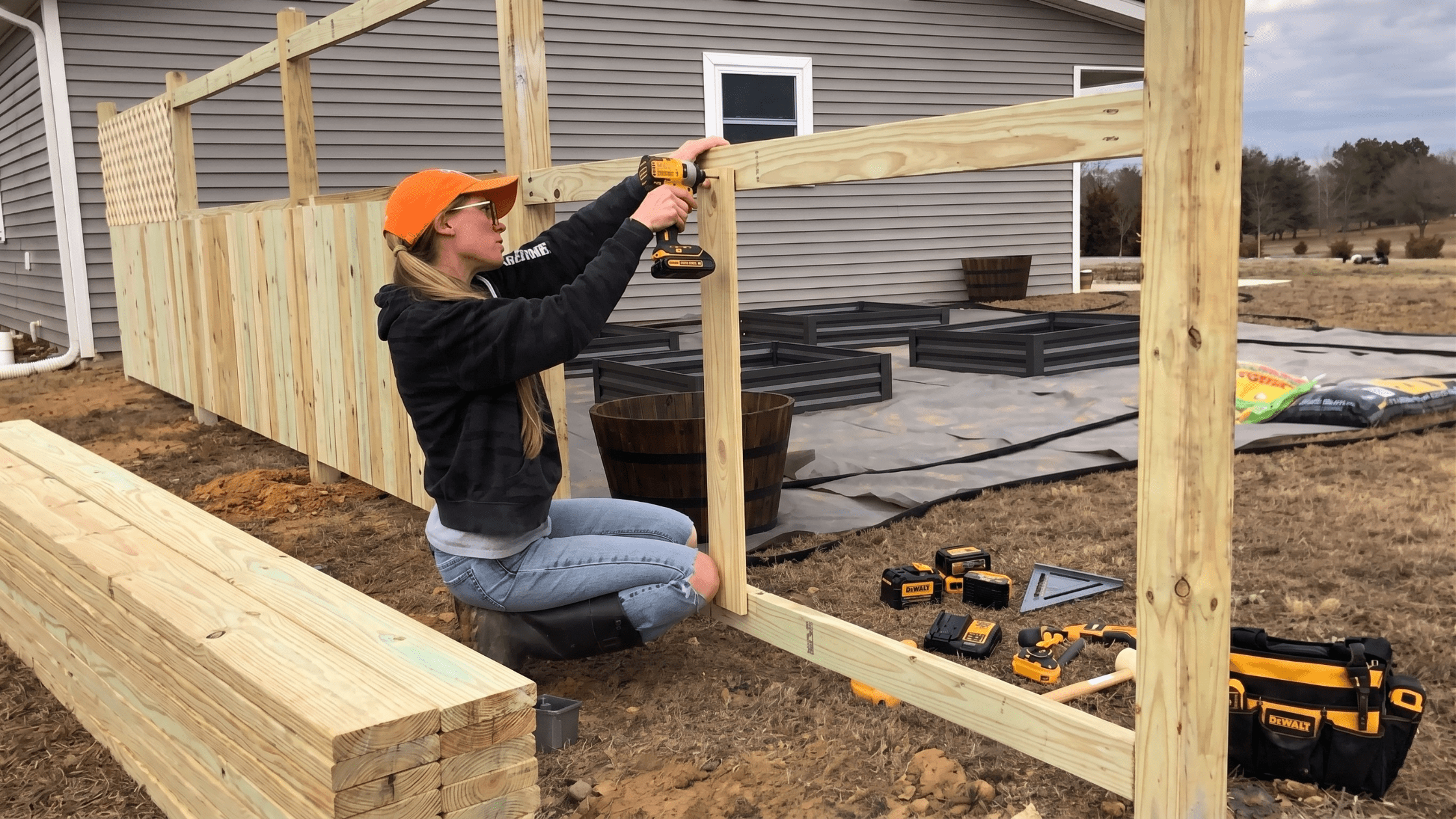
- Step 2: Post Setting: Posts are the backbone of any durable privacy fence. Professionals dig holes to the correct depth, which in colder climates like Pittsburgh must go below the frost line to prevent heaving. Concrete is typically used to set posts securely.
- Step 3: Panel or Board Installation: Depending on the fence style, panels are attached to posts or individual boards are secured one by one. A professional crew ensures consistent spacing, level alignment, and tight connections throughout.
- Step 4: Gate Installation: If your project includes a gate, this stage covers gate framing, hardware installation, and alignment. Gates need to swing freely, latch securely, and hold up to daily use over many years.
- Step 5: Final Walkthrough: Before leaving, the crew will walk the completed fence with you to confirm every section meets your expectations. Any adjustments are handled on the spot.
Post-Installation: What You Should Do
Once your fence is installed, a little attention goes a long way toward protecting your investment.
- Inspect the fence seasonally, especially after harsh winters or storms, to check for any shifted posts or loose fasteners
- Clean the surface at least once a year to remove mold, mildew, or dirt buildup.
- For wood fences, apply a fresh coat of sealant or stain every two to three years.
- Check all gate hardware and latches to ensure smooth operation
A professionally installed fence should last decades when properly maintained. At Pro Fence and Railing, we build every project to that standard.
Frequently Asked Questions
1. How long does professional privacy fence installation typically take?
For most residential projects, installation takes one to three days depending on the size of the property and the fence style. Larger commercial projects may take longer.
2. Do I need a permit for a privacy fence in Pennsylvania?
In most municipalities across the Greater Pittsburgh area, yes. Permit requirements vary by borough or township. A professional fencing company will handle the permit process as part of the project.
3. What is the best privacy fence material for Pittsburgh’s climate?
Vinyl and pressure-treated wood are both popular choices because they hold up well against temperature swings, moisture, and freeze-thaw cycles common in Western Pennsylvania.
4. Can a professional fencing company also install gates and access controls?
Absolutely. Many property owners combine privacy fence installation with gate operators, sliding gates, or keypad access control systems for a complete perimeter solution.
5. How do I know where my property line is before installation?
A professional contractor can reference existing survey documents or recommend a licensed surveyor if the boundaries are unclear. Installing a fence on the wrong side of a property line creates legal issues with neighbours.
Conclusion
A privacy fence is more than just a barrier. It is an investment in your comfort, security, and property value. When you work with professionals who understand local codes, soil conditions, and quality materials, you end up with a fence that looks great and holds up for the long haul. At Pro Fence and Railing, we serve homeowners and commercial property owners throughout the Greater Pittsburgh area, including surrounding communities across Western Pennsylvania. From custom privacy fence installation to gate operators, sliding gates, and access control systems, we handle everything your property needs from the ground up.
Do not settle for a fence that wobbles after two winters or a gate that sticks from day one. Reach out to our team today for a free estimate, and let us build you a privacy solution that works as hard as you do. Contact Pro Fence and Railing now and take the first step toward a more private, secure, and beautiful property.





 Residential Fencing
 Ornamental / Decorative Fence
 Fence Installation
 Handrails
 Photo Gallery
 Testimonials
 Blog
 Case Studies
 Coupons
 Financing