Key Takeaways
- A vinyl fence is one of the lowest-maintenance fencing options for Pittsburgh homes, with no painting or staining required.
- Handrail installation requirements vary based on height, style, and project specifications.
- Privacy panels and taller layouts sit at the higher end of the price range.
- Cold winters, sloped yards, and post spacing all affect your final quote.
- We build with American-made materials and back every project with a strong warranty.
If you are weighing your fencing options this year, a vinyl fence deserves a close look. We install vinyl fencing across the Greater Pittsburgh area, and we hear the same questions from homeowners every week. Is it worth the cost? How long does it last? Will it hold up to our winters? This guide walks through the real pros, the honest cons, and what you can expect to pay in 2026.
What Is a Vinyl Fence and Why Is It Popular in Pittsburgh?
A vinyl fence is made from PVC, a durable plastic engineered to resist moisture, rot, and fading. It arrives in pre-formed fence panels and posts that lock together for a clean, finished look. Homeowners love it because it pairs strong curb appeal with very little upkeep.
In our region, that low-maintenance quality matters. Pittsburgh weather swings from humid summers to freezing winters, and wood fences pay the price with warping and rot. Vinyl shrugs off both, which is why so many local yards now feature it.
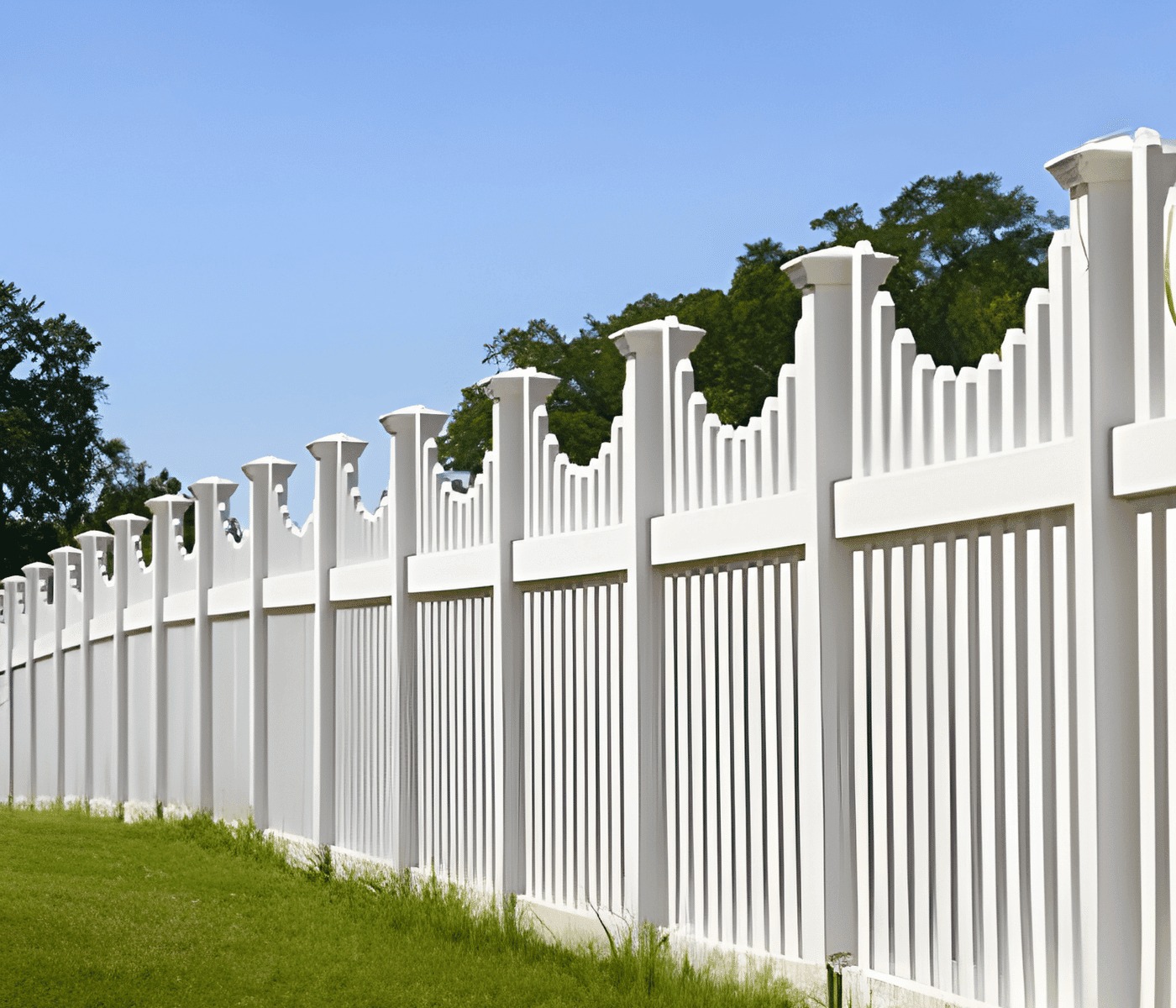
It also fits a range of needs. Whether you want a tall privacy fence for the backyard or a tidy picket line out front, vinyl delivers a consistent finish that holds its color for years.
What Are the Pros of Installing a Vinyl Fence?
The biggest draw is the near-total lack of maintenance. Once your vinyl fencing is installed, there is no sanding, staining, or sealing on your weekend to-do list. A quick rinse with a garden hose keeps it looking new.
Durability is the second major win. Quality vinyl resists insects, moisture, and the freeze-thaw cycles that wreck other materials. It will not splinter, and the color runs through the material rather than sitting on the surface.
Here is what homeowners tell us they value most:
- Long lifespan that often outlasts wood by decades
- No repainting, rot, or rust over time
- Strong privacy from solid panel designs
- Clean, modern looks that boost resale value
- Safe, splinter-free surfaces for kids and pets
Over the past 20 years, vinyl has often been the lower-cost choice because you skip the repeated repairs and refinishing that wood demands.
What Are the Cons of a Vinyl Fence?
No material is perfect, and we believe in giving you the full picture. The first drawback is the upfront price. Vinyl usually costs more per linear foot than wood or chain-link at the time of installation.
Color and style flexibility can also be limited. While options have grown, vinyl does not offer the natural grain that some homeowners prefer in a wood fence. In extreme cold, lower-grade panels can also become more brittle.
A few honest points to keep in mind:
- Higher initial investment than basic wood or chain link
- Repairs may require replacing a full panel rather than a board
- Cheaper grades can sag or discolor over time
The fix for that last point is simple. We use heavier, American-made vinyl built for our climate, which avoids the pitfalls of bargain materials.
How Much Does Vinyl Fence Installation Cost in Pittsburgh in 2026?
Cost is often one of the first considerations homeowners have when planning a vinyl fence project. However, every installation is unique, and requirements can vary based on the fence style, height, property layout, and site conditions.
Common vinyl fencing options include:
- Picket or decorative fence styles
- Semi-privacy fence designs
- Full privacy fence panels
- Custom gates and entryways
Factors such as post spacing, terrain, accessibility, gate requirements, and local regulations can all influence the scope of the project. Because every property is different, an on-site assessment is the best way to determine the specific requirements for your vinyl fence installation.
What Factors Affect Your Vinyl Fence Cost?
Several variables decide where your project falls within that range. Understanding them up front helps you budget with confidence and avoid surprises.
The biggest drivers are fence height and style. Taller solid panels use more material and labor than open picket designs. Yard size matters too, since more length means more posts, concrete, and digging.
Watch for these cost factors:
- Terrain and slope, which add labor on uneven ground
- Removal and disposal of an old fence
- The number of gates and the hardware you choose
- Premium colors, textures, or decorative caps
- Local permits and property line surveys
We always review these details during your estimate, so the number you see is the number you pay. You can learn more about our full range on our privacy fence installation page.
Why Choose Us for Your Vinyl Fence Installation?
Experience makes the difference in a fence that lasts. As a veteran-owned and AFA-member company, we bring trained crews and proven methods to every job in the Greater Pittsburgh area.
We install only American-made fencing built to handle our local climate, and we back our work with strong warranties. Our team handles the permits, the layout, and the cleanup so you can simply enjoy the result.
You can also explore our aluminium and metal railings or ask about automatic gate options when you reach out. We treat your property like our own from the first measurement to the final post.
Frequently Asked Questions
1. How long does a vinyl fence last?
A quality vinyl fence commonly lasts 20 to 30 years or more with minimal upkeep, far outlasting most untreated wood fences in our Pittsburgh climate.
2. Does vinyl fencing hold up to Pittsburgh winters?
Yes. High-grade vinyl resists moisture and freeze-thaw cycles, so it will not rot, warp, or rust the way wood and metal often do here.
3. Is a vinyl fence cheaper than wood over time?
Often, yes. The upfront cost is higher, but skipping years of staining, sealing, and repairs usually makes vinyl the lower-cost option long term.
4. Do I need a permit for a vinyl fence?
Many local municipalities require one. We handle permit research and applications as part of our service so your project stays fully compliant.
5. How long does installation take?
Most residential vinyl fence projects take 1 to 3 days, depending on yard size, terrain, and the number of gates.
Ready to Start Your Vinyl Fence Project?
A new vinyl fence adds privacy, value, and lasting curb appeal to your home with almost no upkeep. We are ready to bring that quality craftsmanship to your yard, backed by American-made materials and a warranty you can trust. Let us handle the hard part while you enjoy the results. Call us today at 724-249-6389 for your free, no-pressure estimate and let us build the fence your home deserves.



 Residential Fencing
 Ornamental / Decorative Fence
 Fence Installation
 Handrails
 Photo Gallery
 Testimonials
 Blog
Blog Case Studies
 Coupons
 Financing